
FAQ: Dental Crowns in New York, NY
At Park Dental NYC, we provide dental crowns in New York, NY, to restore damaged teeth, strengthen weakened enamel, and improve the appearance of your smile. Our Midtown East dental team offers personalized restorative dentistry to help patients maintain healthy, functional teeth. Below are frequently asked questions on dental crowns, tooth restoration, and what to expect during treatment.
What is a dental crown, and how does it restore damaged teeth?
A dental crown is a custom-made restoration that covers a damaged or weakened tooth to restore its shape, strength, and function. At our Midtown East practice, we use crowns to protect natural teeth affected by significant decay, fractures, or wear while maintaining a natural-looking appearance.
How do I know if I need a dental crown?
You may need a crown if your tooth has extensive decay, a large filling, a fracture, or significant structural damage. At Park Dental NYC, we examine the affected tooth and determine whether a crown, filling, or another restorative treatment is the most appropriate solution.
Can dental crowns repair cracked or broken teeth?
Yes, dental crowns can restore many cracked or broken teeth by covering and reinforcing the remaining tooth structure. We evaluate the extent of the damage before recommending treatment. Deep fractures extending into the root may require a different approach.
Do I need a dental crown after root canal treatment?
A crown is often recommended after root canal therapy, particularly for back teeth that experience significant chewing pressure. At our Midtown East practice, we assess the remaining tooth structure and determine whether a permanent crown is necessary to provide lasting protection and support.
What types of dental crown materials are available?
Dental crowns can be made from porcelain, zirconia, metal, or other durable materials. The appropriate choice depends on the tooth's location, your bite, and your aesthetic preferences. At Park Dental NYC, we review suitable restorative materials and recommend an option that balances strength, function, and appearance.
What happens during the dental crown procedure in New York, NY?
We begin by examining your tooth, removing damaged areas, and preparing it for the restoration. Our dental team then takes impressions or digital scans to create a properly fitted crown. Once the permanent restoration is ready, we check its fit and bite before securing it in place.
Does getting a dental crown hurt?
Dental crown treatment is typically performed with local anesthesia to minimize discomfort. We prioritize patient comfort throughout the procedure. Mild sensitivity or tenderness afterward is possible, but it usually improves within a few days.
How long does it take to get a permanent dental crown?
Traditional crown treatment usually requires two appointments. During the first visit, we prepare the tooth and may place a temporary restoration. The permanent crown is fitted and secured once it has been fabricated. Treatment timelines depend on your individual needs.
How long do dental crowns last?
With proper oral hygiene and regular dental visits, crowns can last many years. Their lifespan depends on the material, bite pressure, and daily habits. At Park Dental NYC, we monitor your restorations during routine examinations and address signs of wear before they become more serious.
Can a dental crown look like my natural teeth?
Yes, modern tooth-colored crowns can closely match the shade, shape, and proportions of surrounding teeth. We consider your natural smile and bite when planning restorations, helping your new crown blend comfortably and aesthetically with your existing teeth.
What is the difference between dental crowns and porcelain veneers?
Crowns cover the entire visible portion of a tooth and are commonly used to restore strength and function. Porcelain veneers cover the front surface and primarily address cosmetic concerns. Our dentists in Manhattan recommend the appropriate treatment based on your tooth's condition and desired results.
Can a dental crown be attached to a dental implant?
Yes, a dental implant crown replaces the visible portion of a missing tooth and attaches to an implant placed in the jawbone. At Park Dental NYC, we offer dental implant restorations that help restore chewing function and create a natural-looking replacement for missing teeth.
How should I care for my dental crowns?
Dental crowns require consistent brushing, daily flossing, and professional dental cleanings. We also recommend avoiding habits such as chewing ice or opening packages with your teeth. Regular visits to our Midtown East practice help us assess the crown, surrounding gums, and underlying tooth for potential concerns.
What should I do if my dental crown becomes loose or falls off?
Contact our Manhattan dental office promptly if your crown loosens, breaks, or falls out. Keep the restoration in a safe place and avoid chewing on the affected tooth. We will examine the area and determine whether the crown can be reattached or requires replacement. Never attempt to secure it with household glue.
Why choose Park Dental NYC for dental crowns in New York, NY?
At Park Dental NYC, we combine personalized care with modern restorative dentistry to create dental crowns that restore strength, function, and a natural-looking smile. Our Midtown East team carefully evaluates your dental needs, recommends the most appropriate treatment, and focuses on comfortable, long-lasting results. We are committed to helping patients in New York maintain healthy, confident smiles.
If you have a cracked, weakened, or damaged tooth, our team at Park Dental NYC in Midtown East, New York, NY, is here to help restore your smile. Call us at (646) 830-0501 to schedule a consultation and explore your dental crown treatment options.
Quick Links
Helpful Articles
article_category: restorative
article_category: vision therapy
article_category: contact lenses
article_category: health
article_category: conditions
article_category: eye surgery co-management
article_category: exotic
article_category: cosmetic
article_category: products
article_category: psychiatry
article_category: faqs
article_category: cats
article_category: general
article_category: services
article_category: technology
article_category: dogs
article_category: surgical procedures
article_category: aesthetics
article_category: preventative
article_category: ocular disease management
article_category: eyeglasses
article_category: eye health
article_category: large animal
[]
Flowbite is an open-source library of interactive components built on top of Tailwind CSS including buttons, dropdowns, modals, navbars, and more.
Check out this guide to learn how to get started and start developing websites even faster with components on top of Tailwind CSS.
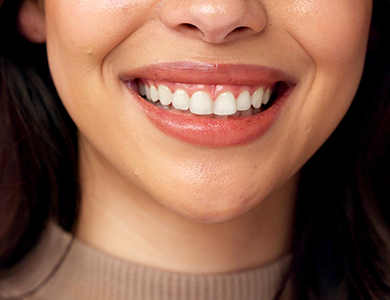
All Dental Services
We offer a wide variety of dental services to the New York community. Contact us with any questions about our services.

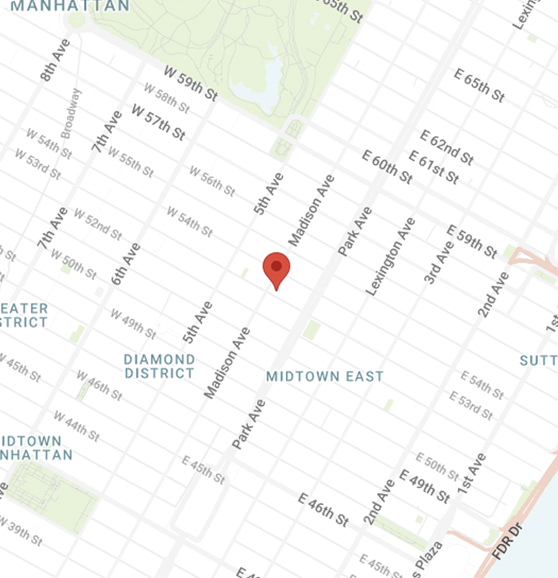
Keep In Touch
For non-urgent questions or to learn more about our services, contact us today!
- Monday 9:00am - 6:00pm
- Thursday Closed
- Friday 9:00am - 5:00pm
- Saturday 10:00am - 5:00pm
- Sunday Closed

- Monday 9:00am - 6:00pm
- Tuesday 9:00am - 6:00pm
- Wednesday 9:00am - 6:00pm
- Thursday Closed
- Friday 9:00am - 5:00pm
- Saturday 10:00am - 5:00pm
- Sunday Closed
© 2026 Park Dental NYC. All rights Reserved. Accessibility Statement - Privacy Policy - Sitemap
Managed and Designed by:
